
Afua Hagan is a contributor to CTVNews.ca, focusing on the Royal Family. Based in London and Accra, Hagan is a regular commentator on the royals across a variety of international outlets, and is a leading voice on diversity in Britain.
Catherine, Princess of Wales, has spent more than 20 years as one of the most photographed women in the world. With all the media attention, public events, and endless rumours, she is one of the Royal Family’s most popular and most talked-about members.
In his new biography, Kate!: The Courage, Grace, and Power of the Woman Who Will Be Queen, seasoned royal writer Christopher Andersen takes a closer look at the woman behind the polished public image. He aims to uncover what lies beneath the surface. His book paints a picture of a royal often underestimated but whose role in her family and the monarchy might be far more significant than most people think.
The book comes out during a crucial time for the monarchy. King Charles III’s cancer diagnosis combined with Catherine’s battle with cancer and recovery, and the never-ending scandal surrounding Andrew Mountbatten-Windsor and his association with Jeffrey Epstein, have made people question the monarchy’s future. Andersen’s main idea is straightforward: Kate has grown from a university student who fell in love with a prince into one of the monarchy’s greatest strengths.
The book highlights resilience as one of its most powerful themes. Critics called Catherine “Waity Katie” for years, labelling her as a young woman waiting around for Prince William to propose. Andersen explains how this idea missed the mark.
He believes Catherine showed extraordinary focus, self-control, and a sense of strategy throughout her ten-year courtship. She knew royal life came with huge pressures and realized rushing into it might have led to failure. Looking back now, her approach seems to have brought significant rewards.
The Middleton influence
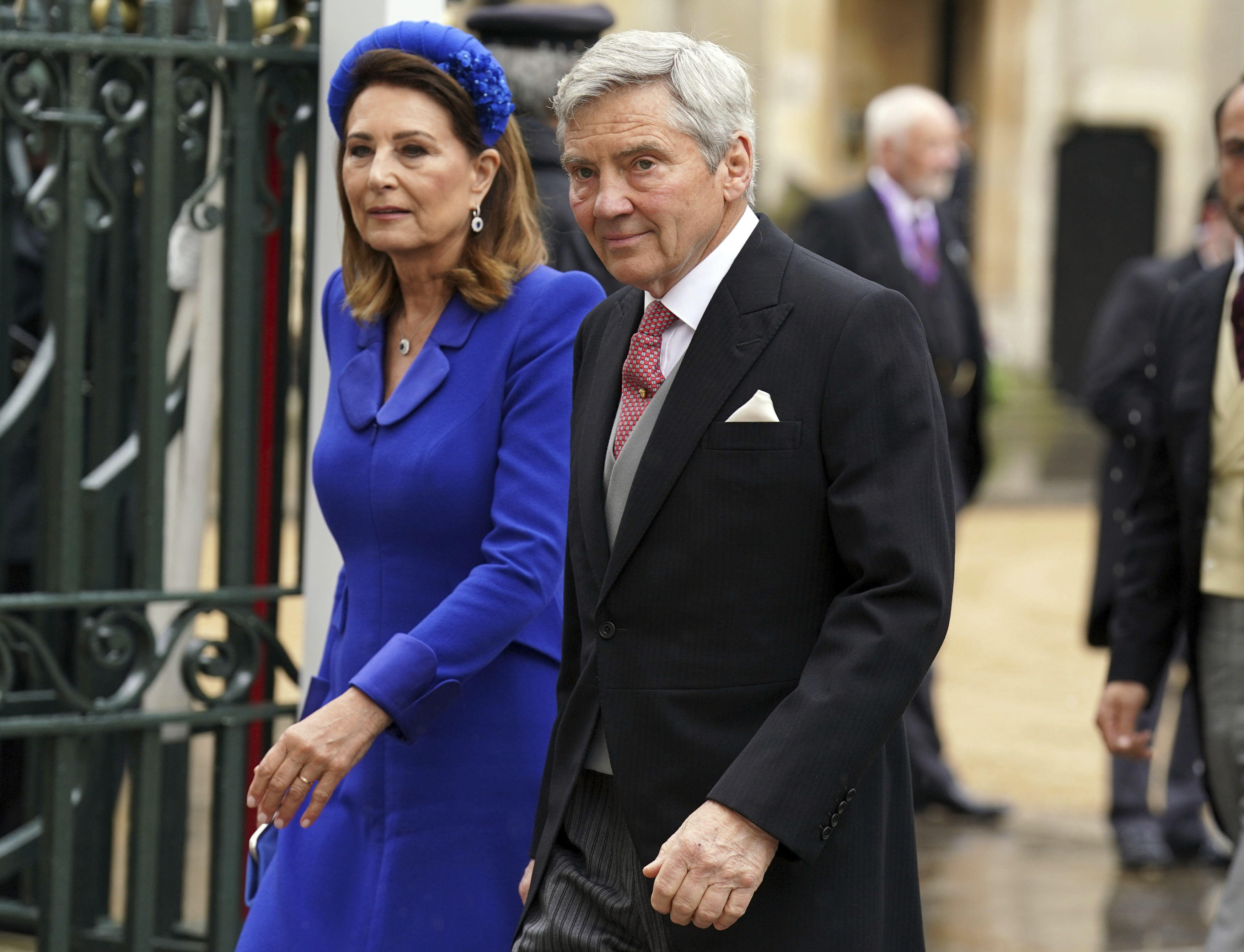
One big lesson from the biography is how important the Middleton family is. Royal experts have often put the spotlight on Catherine herself, but Andersen keeps pointing out how much her parents Carole and Michael Middleton influenced who she became. The Middleton family brought something rare in royal circles: a stable family life. Catherine, unlike several aristocrats, was raised in what Andersen calls a loving and connected home.
He says this upbringing gave her the emotional strength and confidence she’ll lean on to handle the challenges of royal life. The Middletons also gave Prince William something he lacked after losing his mother Diana -- a feeling of a normal family life.
While this idea isn’t new, Andersen stresses that Catherine’s most valuable gift to William might not just be her love but also the family atmosphere she introduced into his life. Over and over royal insiders have highlighted how much the Middletons’ steadying presence has played an important role in William and Catherine’s lives. Andersen portrays this as a major reason William’s bond with Catherine thrived while other royal relationships fell apart.
The book pushes back on the idea that Catherine is just a background figure in the story of the monarchy. During much of her time as a royal, critics often claimed she was too reserved and hesitant. Andersen disagrees with that perspective.
He believes her careful and deliberate way of doing things has been one of her biggest assets. In a world ruled by social media, fame, and constant public judgment, Anderson says Catherine has avoided the trap of oversharing. Instead of chasing popularity or grabbing attention, she has worked on meaningful initiatives.
She has prioritized long-term efforts in areas like early childhood growth mental health education, and supporting families particularly through her work with on Early Childhood with the Royal Foundation and her Shaping Us project. Andersen argues this is not a sign of weak ambition. Instead, he says it shows she has a deep understanding of what a modern monarchy requires.
An interesting part of the book is how Andersen paints Catherine as a calming force during times of royal trouble. He calls her a peacemaker, someone who could ease conflicts and keep connections intact when things got tough. This role became crucial after Prince Harry and Meghan Markle stepped back from their royal duties.
While many details about the family disagreements remain unclear and hard to confirm, Andersen portrays Catherine as someone who often tried to mend family rifts. He also mentions how these struggles took an emotional toll on both Catherine and William. Anderson says William felt upset during the aftermath of the Sussexes’ Oprah interview and the tensions that followed.
Catherine’s relationship with Prince Harry
Andersen also says that Catherine’s relationship with Prince Harry started to disintegrate long before the Sussexes decided to step away from royal life.
The book points out that both William and Catherine were worried about how quickly Harry’s relationship with Meghan Markle was moving. Andersen writes that William tried to warn Harry about rushing into marriage, but Harry saw it more as criticism than concern.
The book also claims that Catherine got stuck in the middle as the tension between the brothers grew worse. Andersen claims the damage to trust after Harry and Meghan’s Oprah interview, their Netflix series, and Harry’s memoir Spare caused lasting wounds even though she tried many times to promote reconciliation.
Andersen suggests that Catherine hit a point where she could no longer see herself as the one keeping peace. For a long time, people saw her as the person who connected William and Harry. She even pushed the brothers to talk after Prince Philip’s funeral in 2021. But the book shows her as someone who grew tired of years of public drama and family tension.
Her breaking point came in 2025, after Prince Harry gave an interview to the BBC. In it he said, “I don’t know how much longer my father has,” referring to the King’s cancer diagnosis, which was revealed following a prostate check in 2024. Following the interview, she swore she was done with her brother-in-law, commenting how demoralizing his statements, especially about King Charles, can be.
The most powerful parts of the book centre on Catherine’s struggles with her health. Some of the most heartfelt moments reveal how she faced her cancer diagnosis in private. Andersen shares how Catherine and William went to great lengths to shield their children until they were ready to share the news.
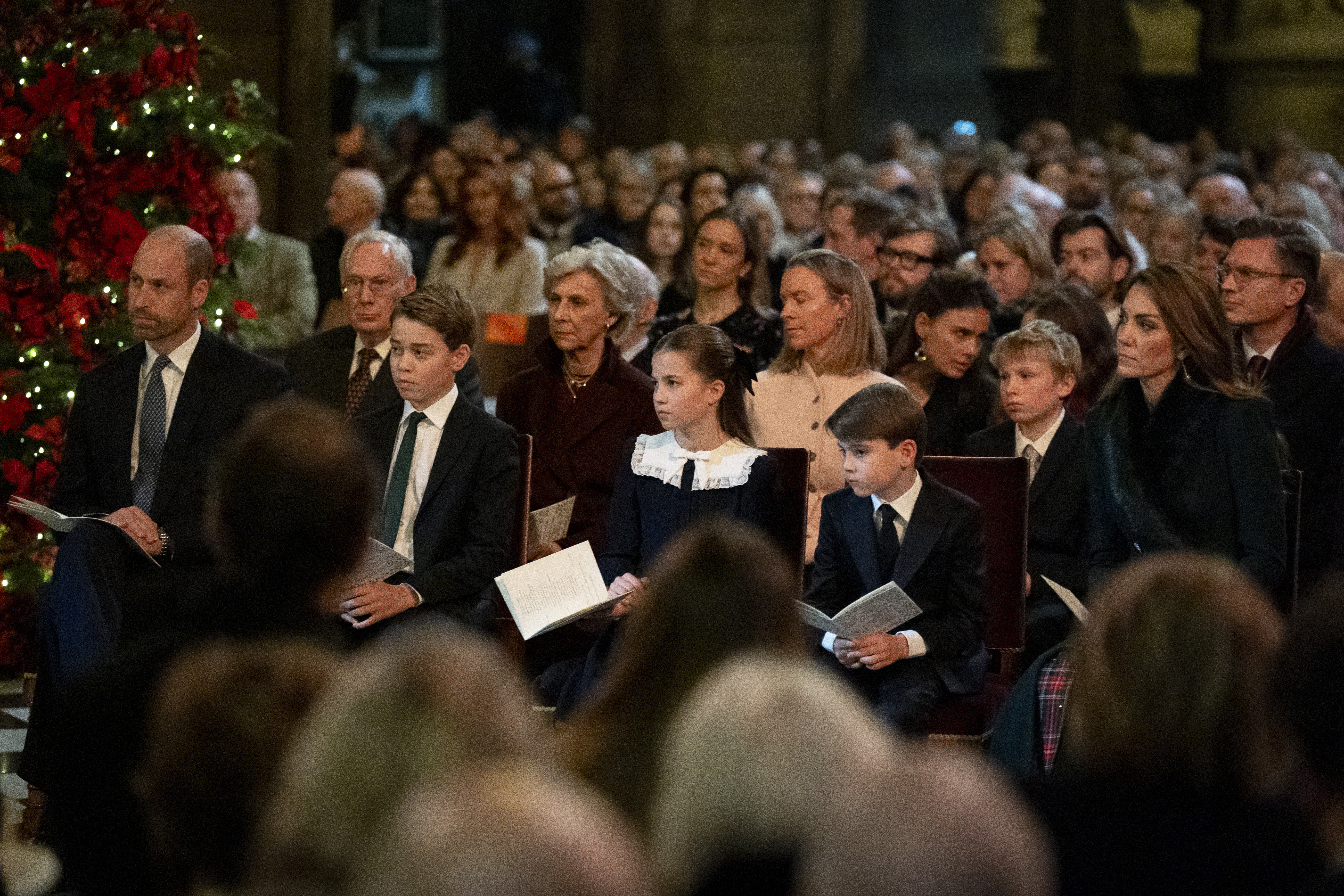
The book explains how Catherine insisted that George, Charlotte, and Louis should first hear the truth from their parents instead of rumours in the press. Andersen also details the painful time between Catherine’s surgery and the public announcement, as the couple dealt with life-altering news while trying to keep things steady and normal for their kids.
The book describes these conversations with their children as some of the hardest emotional moments Catherine had ever gone through. Anderson writes, “…Mummy gently talked about how much better she’d felt since coming home from the hospital in January, and how she looked forward to having fun with them over the next two weeks.
Kate also explained why she sometimes still needed to rest—that when she was in the hospital, doctors found just a few of these tiny cancer cells, and to make sure they wouldn’t come back, Mummy was taking some special medicine. It’s the medicine, she told them, that sometimes made her tired.”
Anderson argues that Catherine’s cancer diagnosis changed how the public viewed her. People stopped seeing her as just someone polished or distant and started seeing her as a person of strength, grace, and vulnerability.
Instead of hurting her reputation, the diagnosis seemed to make the public feel closer to her. By revealing the diagnosis in her own way, Catherine showed the thoughtful balance she has always aimed to achieve between being open and keeping parts of her life private. Andersen believes this balance is one of her biggest strengths. When she spoke about her diagnosis, people supported her. They felt connected to her personality even if they didn’t know much about her private life.
Andersen’s book seeks to answer the question of what kind of Queen Catherine will be. He says she’ll be one of the most important royal consorts in recent times.
This isn’t because she craves the spotlight, but because she recognizes the importance of duty, calm, and holding back when necessary. You might not buy into every claim this book makes, and that’s understandable. Like many royal biographies, it leans a lot on anonymous sources and insider information. But the broader story Andersen lays out feels hard to ignore.
The shy university student who first caught Prince William’s eye at St Andrews has become something far more significant. She is now central to the monarchy’s future.
For an institution navigating uncertainty, generational change and ongoing family tensions, that may be Catherine’s greatest source of power.
Not glamour. Not celebrity. Not even popularity. But steadiness. And in today’s monarchy, that quality may prove more valuable than ever.
More from Afua Hagan: